The High Obesity Program (HOP) is a cooperative agreement between the U.S. Centers for Disease Control and Prevention (CDC), Division of Nutrition, Physical Activity, and Obesity (DNPAO) and land grant universities serving counties with adult obesity rates of 40% or higher. Through a community-based approach, the project collaborates with community partners to identify local community assets and challenges, develop tailored work plans, and implement policy, systems, and environmental (PSE) change strategies that support healthier lifestyles. Specifically, the project works to 1) Improve access to healthy foods, 2) Increase opportunities for physical activity, and 3) Implement family health weight programs.
This program started in 2014; since then, the University of Tennessee Extension, Family and Consumer Sciences (FCS) has received three cycles of HOP funding. In the current funding cycle (2023-2028), the Tennessee HOP initiative, Be More Tennessee, is implemented in seven rural Tennessee counties (highlighted in red in the map below): Clay, Crockett, Decatur, Hardeman, Haywood, Hancock, and Henderson. Contact your nearest county to learn how to get involved.
Participating Counties
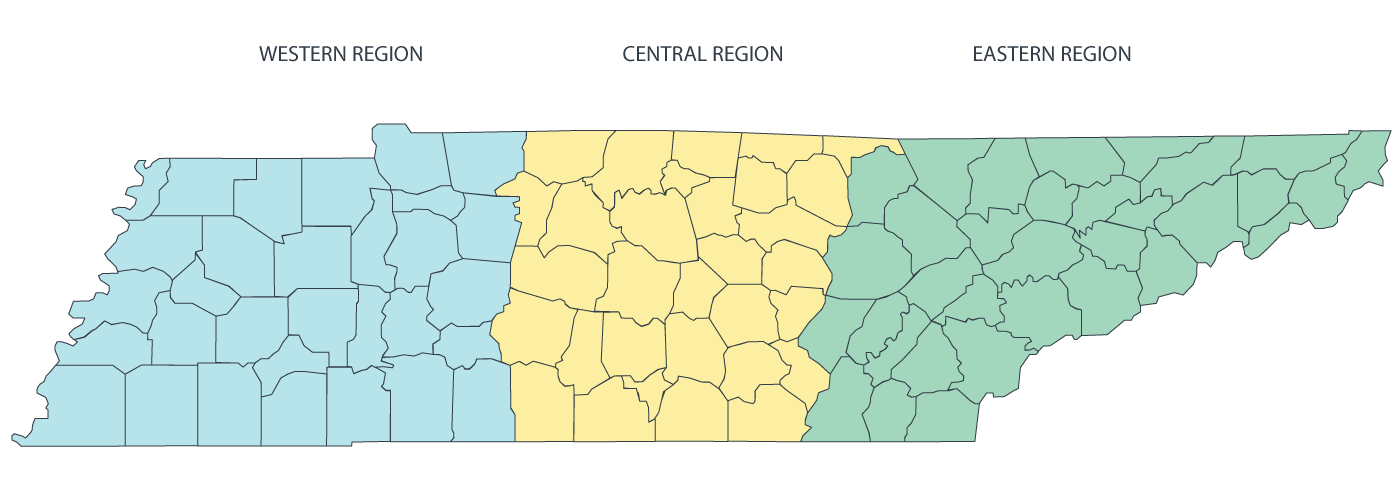
Tennessee counties highlighted in red are currently participating in the HOP Program and include Clay, Crockett, Decatur, Hancock, Hardeman, Haywood, and Henderson counties.



Explore our publications, newsletters, and other media resources
Interested in partnering with us?
Contact Us
The High Obesity Program is made possible with funding from the U.S. Centers for Disease Control and Prevention (CDC). The views expressed in this newsletter do not necessarily reflect the official policies of the CDC or imply endorsement by the U.S. Government.
Learn more about the High Obesity Program (HOP) program